


Designing for Dignity: Rethinking Waiting Areas in Behavioral Health
Waiting areas shape first impressions in behavioral health settings—here’s how furniture design can support comfort, durability, and a more human-centered experience.

When people think about behavioral health environments, they often focus on treatment spaces. But for many, the experience begins long before that—at the front door, in the waiting area, and in the spaces where they first sit, pause, and take in their surroundings.
Those moments matter.
In environments supporting individuals experiencing mental health challenges, substance use disorders, and housing instability, the waiting area isn’t just a transition space. It’s part of the overall experience, shaping how people feel before they ever interact with a provider.
The First Impression Matters More Than We Think
Behavioral healthcare environments carry a different set of expectations. The goal isn’t just efficiency—it’s creating spaces that feel calm, supportive, and approachable while still meeting the demands of a high-use public setting. Research and design guidance emphasize the importance of environments that reduce stress and support a sense of comfort, even in complex and highly regulated facilities. These spaces need to feel welcoming without compromising safety, durability, or operational performance. At the MLK Behavioral Health Center in Los Angeles, the broader design strategy reflects this shift. The building brings together multiple county services in one location, creating a centralized hub designed to support both access and coordination of care—an approach explored in more detail in the project’s architectural coverage.
Where Experience and Performance Meet
Waiting areas in behavioral health settings have to do more than look good. They need to function under constant use while supporting a wide range of needs. This is where the furniture layer becomes critical. Unlike architectural elements, furniture is what people directly interact with. It’s where they sit, wait, and spend time—often in moments of uncertainty or stress. That makes every decision more visible and more impactful. At the same time, these environments demand durability, clean-ability, and long-term performance. Materials and products must hold up to heavy use while maintaining a consistent, calming presence within the space. Balancing those requirements isn’t always straightforward. Spaces that aim to feel less institutional can easily lose functionality if performance isn’t considered. On the other hand, overly clinical solutions can reinforce the very experience designers are trying to move away from.
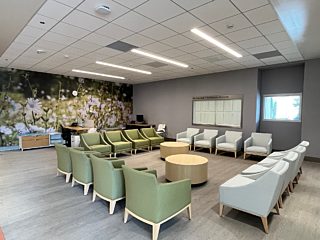
Creating Spaces That Feel Human
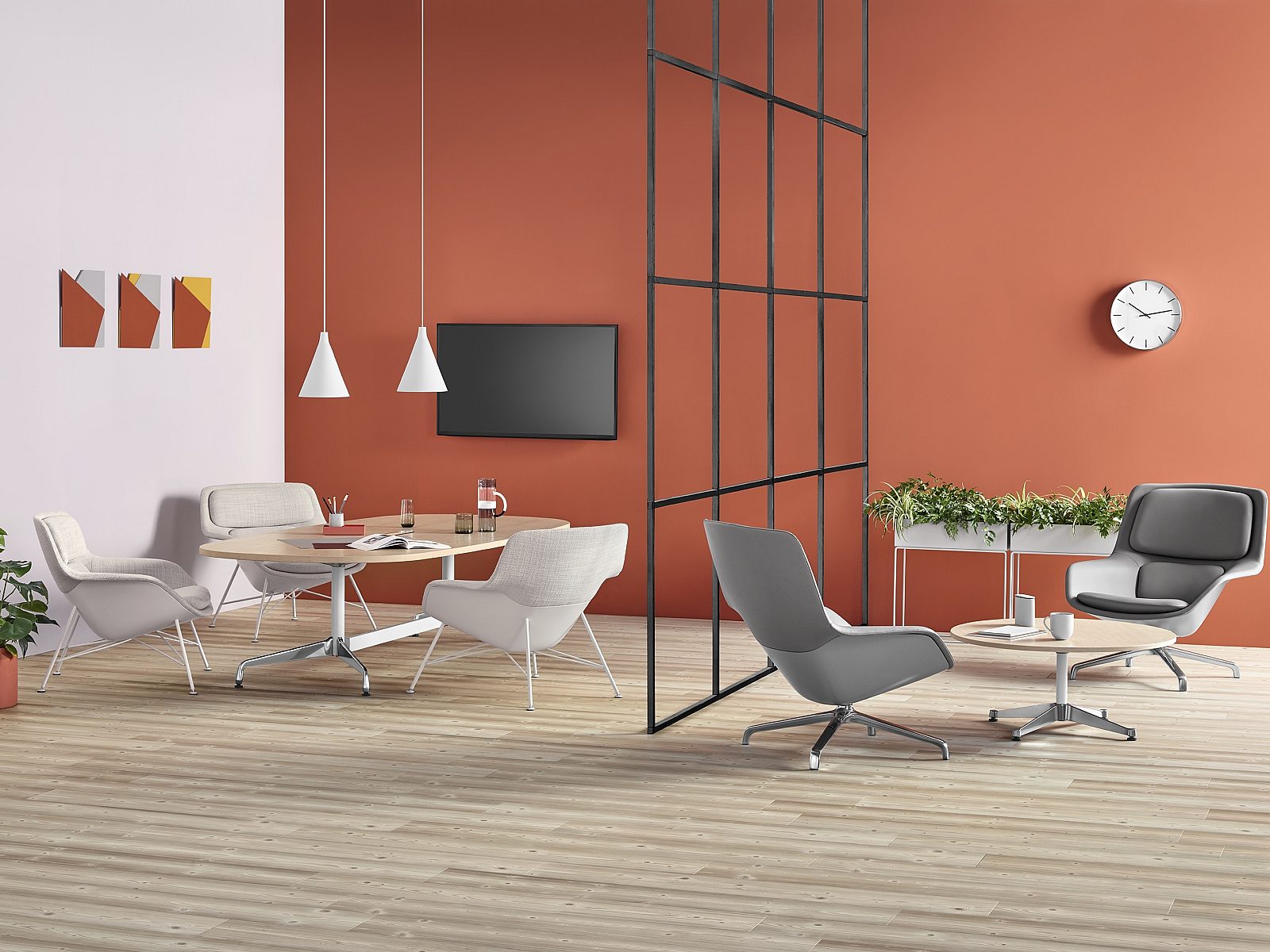
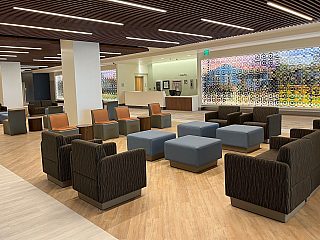
One of the biggest shifts in healthcare design is the move toward more human-centered environments—spaces that reflect principles often associated with hospitality, where comfort, choice, and a sense of ease are part of the experience. Research highlights the importance of designing for a range of interactions, giving people options in how they engage with a space, whether that means sitting alone, with others, or in a more protected setting.
In waiting areas, this translates into furniture solutions that:
- Support different postures and levels of interaction
- Provide a sense of personal space without isolation
- Contribute to an overall environment that feels calm and considered
These are subtle moves, but they make a meaningful difference in how a space is perceived and used.


Supporting the People Who Support Care
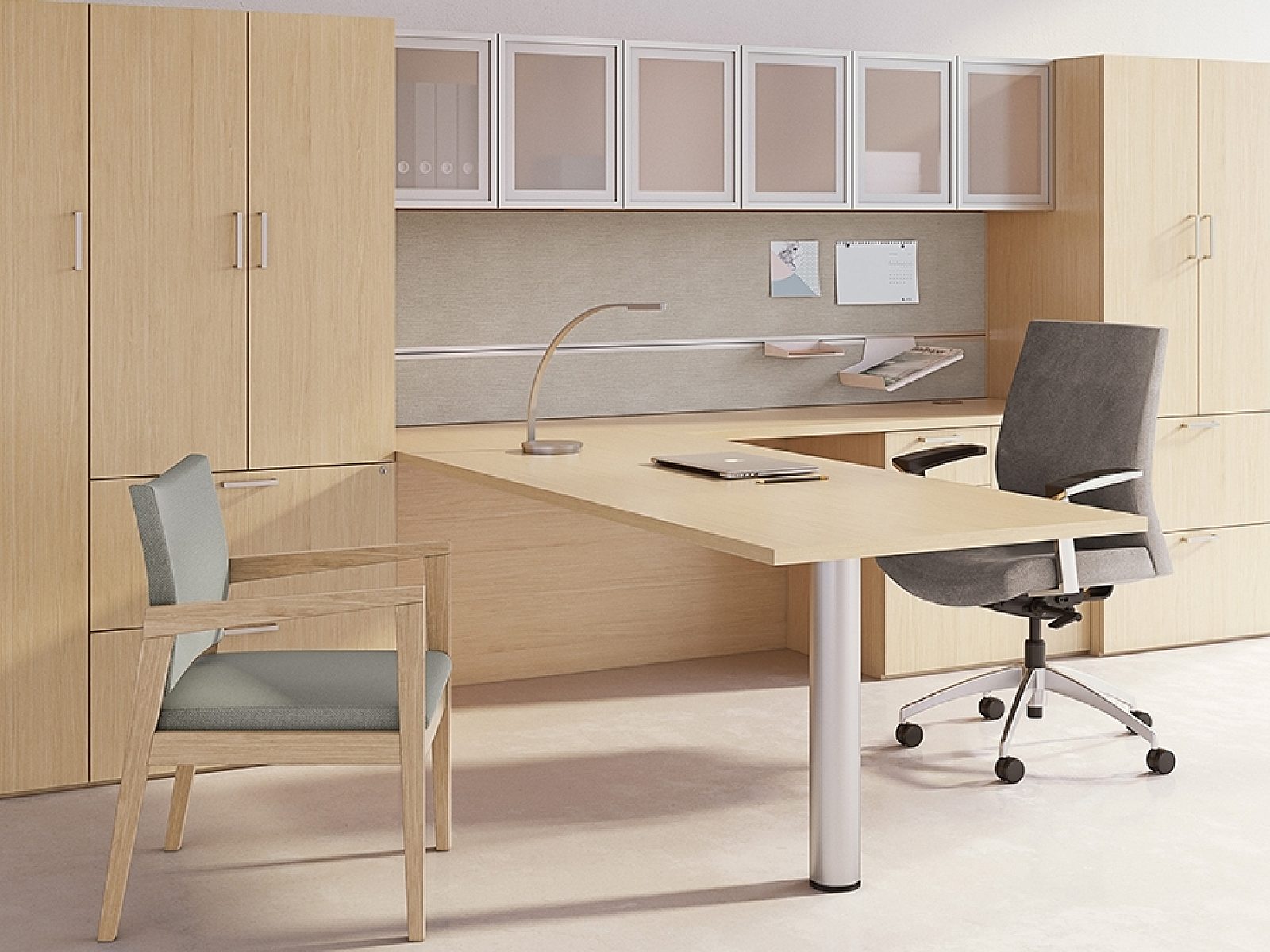
While waiting areas are designed for visitors, they also play a role in supporting staff. Administrative teams working in these environments manage a constant flow of activity—coordinating services, interacting with clients, and maintaining day-to-day operations. The spaces they work in, and the environments they help manage, need to support that reality.
Furniture in these areas contributes to both sides of the experience:
- Creating a more approachable environment for visitors
- Supporting staff with durable, functional solutions that hold up over time
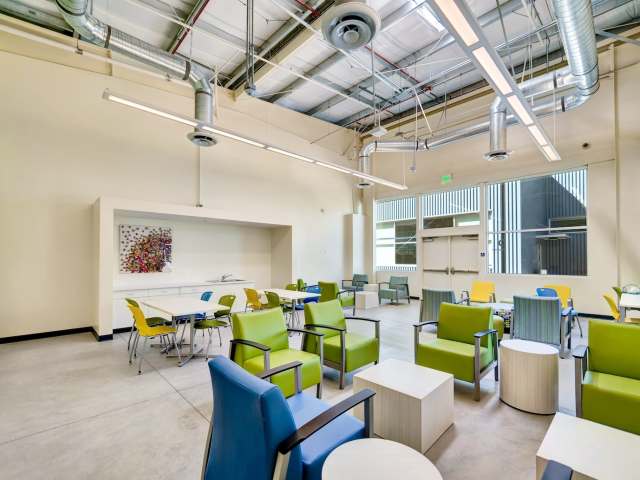
Why This Matters
Waiting areas are often overlooked, but they are one of the most visible and heavily used parts of any healthcare environment.
They set the tone.
They shape first impressions.
And they influence how people feel in moments that matter.
Designing these spaces well isn’t just about aesthetics—it’s about creating environments that support dignity, comfort, and function from the very first interaction.